
The Better Question Is: Did It Work?
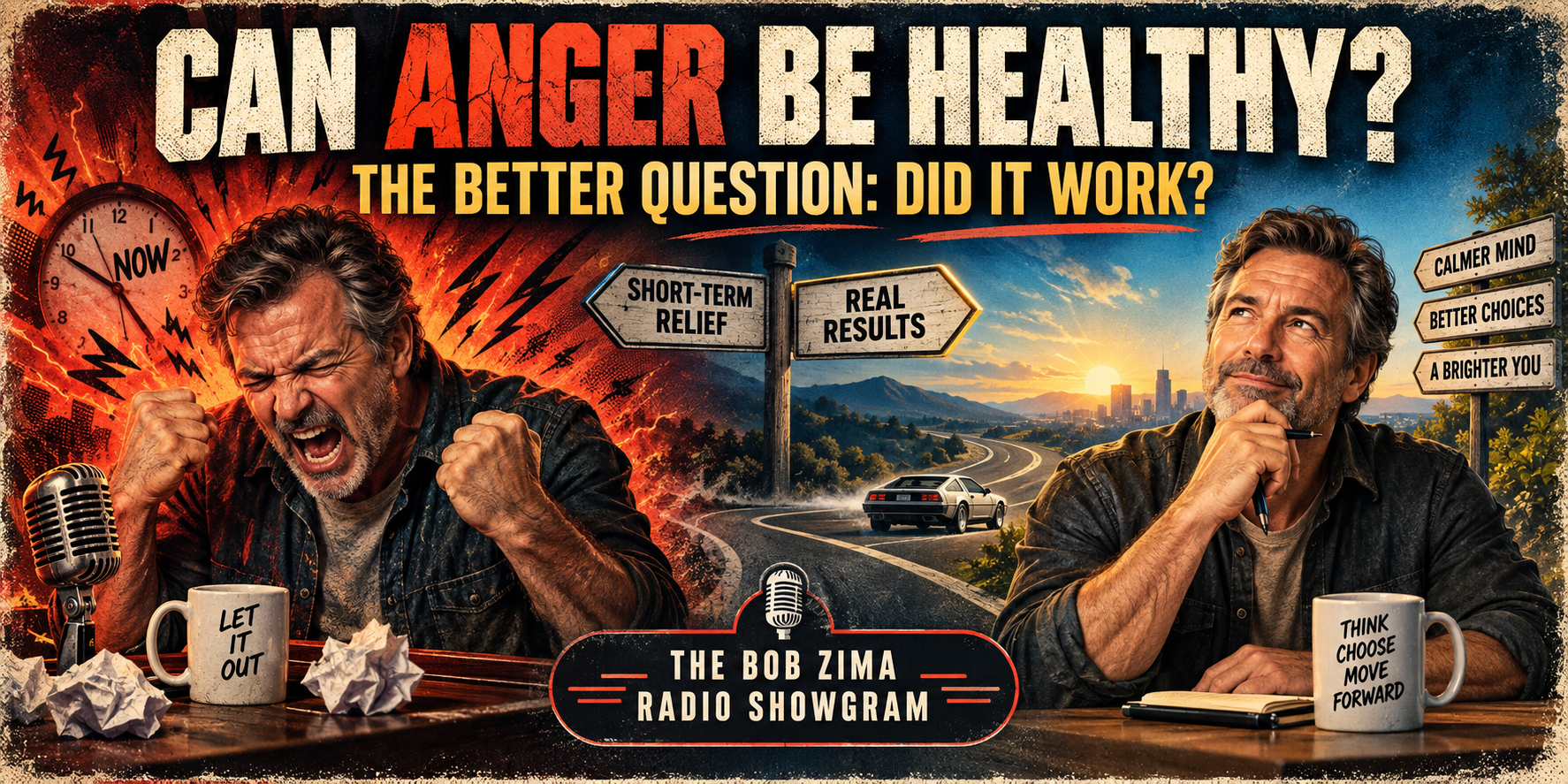
Anger behavior may bring short-term relief, but relief alone does not mean the behavior worked. The outcome tells the rest of the story.
Can anger be healthy?
Of course it can. Don’t kid yourself. Don’t fool yourself. Anger can play a healthy role in our lives—but only if we become clear about what we mean by healthy.
That is where the conversation usually gets messy.
People often place anger into one of two boxes. Either anger is always bad and should be suppressed, or anger is natural and therefore anything we do while angry is acceptable. Neither position is particularly helpful.
Instead, I encourage people to evaluate anger behavior using two separate questions:
- Did the behavior help me manage what I was feeling?
- Did the behavior produce the outcome I wanted?
The first question is about emotional relief. The second is about effectiveness. We need to ask both.
What Does “Healthy” Mean?
As a licensed clinical professional counselor, I use a simple working definition: a healthy behavior helps increase happiness or helps us manage and decrease sadness and fear.
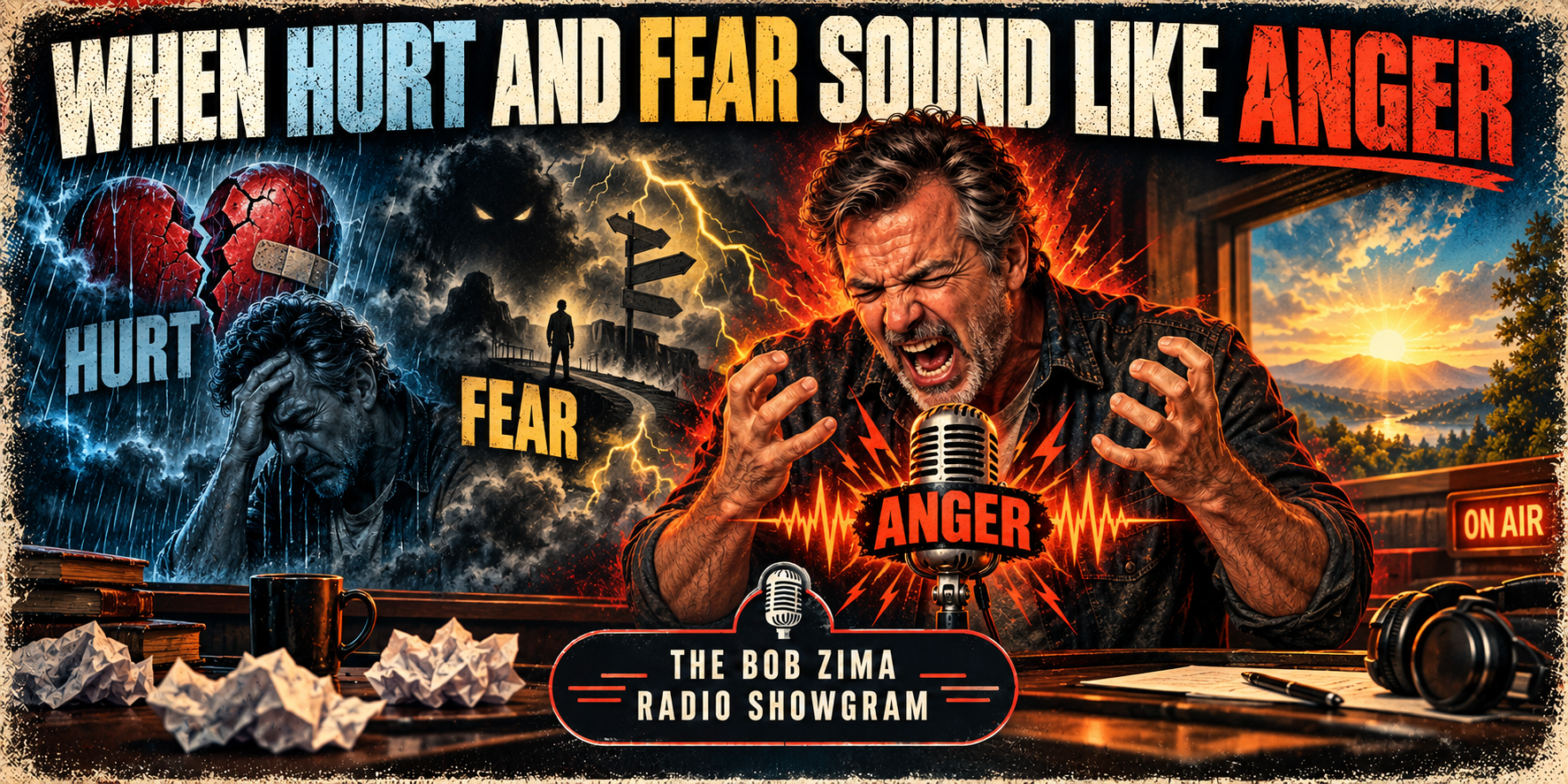
Hurt and fear often supply the energy behind anger behavior. When I feel sad, scared, rejected, threatened, embarrassed, powerless, or wounded, that emotional energy needs to be expressed and managed somehow.
Sometimes it comes out through anger.
I may raise my voice, curse, argue, slam a door, throw something, withdraw, or become defensive. In the moment, that behavior may release tension. It may reduce the fear, numb the hurt, or give me a temporary sense of power and control.
That relief is real—but temporary relief does not automatically make a behavior safe, responsible, or useful.
Yelling, threatening, punching, or breaking things may briefly discharge emotional and physical energy. If those behaviors frighten someone, damage a relationship, cost me my job, injure another person, or land me in the back of a squad car, I would be foolish to call the overall result healthy.
That is why we also need to talk about effectiveness.
Healthy and Effective Are Not the Same Question
A behavior is effective when it helps produce the outcome I actually want.
Did it solve the problem?
Did it communicate what I needed to say?
Did it protect something important without creating unnecessary damage?
Did it move the relationship toward understanding, repair, or resolution?
Did it help me become the person I want to be?
Suppose I yell, kick, scream, punch, fight, or throw something. For a few moments, I may feel less afraid and less hurt. I may experience a rush of relief. But then my spouse becomes afraid of me. My children stop wanting to be around me. My boss fires me. The police arrive. The original disagreement becomes a much larger crisis.
The behavior may have released some pressure, but it did not work. It was ineffective—and because it created additional consequences, it probably increased the very hurt and fear I was trying to escape.
Now I am not only dealing with the original problem. I am also dealing with shame, damaged trust, legal trouble, loneliness, financial stress, or another loss.
I have doubled down on my pain without solving anything.
The Outcome Tells the Rest of the Story
When people evaluate an anger episode, they often focus only on the behavior:
“I yelled.”
“I punched the wall.”
“I told her off.”
“I stormed out.”
“I shut down and refused to talk.”
Those details matter, but they are not the entire story. We also need to ask what happened next.
What did my behavior create?
Did I get what I wanted?
Did the other person understand me more clearly—or did they become defensive, frightened, or distant?
Did I solve the problem—or simply postpone it?
Did my behavior reduce the conflict—or pour gasoline onto it?
If the outcome was not what I wanted, then my anger behavior was ineffective. It did not work, even if it gave me a few moments of emotional relief.
This is not about condemning yourself. It is about learning from the evidence. Your outcome provides information about whether your chosen behavior moved you toward or away from what matters to you.
Fire Up the DeLorean
Let’s say I have a 1985 DeLorean sitting in my driveway. I climb inside, set the flux capacitor for the moment immediately before I became angry, accelerate to 88 miles per hour, and prepare to see some serious…well, you know.
If I could return to that moment, what would I do differently?
I cannot erase the hurt or fear. I cannot always control what another person says or does. I cannot guarantee that I will get everything I want.
But I can choose a different behavior—one that has a better chance of producing the outcome I want.
Instead of screaming, perhaps I speak directly and firmly.
Instead of making a threat, perhaps I establish a boundary.
Instead of punching a wall, perhaps I step away until my body settles.
Instead of shutting down for three days, perhaps I say, “I need 30 minutes to calm down, and then I want to continue this conversation.”
Instead of attacking someone’s character, perhaps I explain what happened, what I felt, what I need, and what I am asking for next.
That is not weakness. It is strategy.
Review Your Next Anger Episode
The next time you respond angrily, do not stop your review at, “I got angry.” Walk through the entire sequence:
- What happened?
- What did I believe the situation meant?
- What hurt or fear was triggered?
- What happened in my body?
- What anger behavior did I choose?
- What happened next?
- Did I get the outcome I wanted?
- What additional hurt, fear, or damage did my behavior create?
- If I could revisit that moment, what could I do differently?
The goal is not to eliminate every intense feeling or pretend that nothing bothers you. The goal is to select behaviors that help you manage hurt and fear while also moving you toward healthier relationships, greater stability, and the outcomes you actually want.
Don’t Just Ask Whether the Anger Felt Good
Anger behavior can feel powerful. It can produce a rush, discharge energy, and create temporary relief. But “I felt better for five minutes” is not the same as “I handled that well.”
Look beyond the release. Look at the result.
Did the behavior respect everyone’s safety? Did it reduce rather than multiply your hurt and fear? Did it move you toward the life, relationship, or resolution you wanted?
When it comes to anger, the behavior matters—but the outcome tells the rest of the story.
So ask yourself the question that can change what happens next:
Did my anger behavior actually work?
This article on Anger is also a podcast segment on The Bob Zima Radio Showgram. Check out the show and all of the episodes.
Bob Zima is a licensed clinical professional counselor, author, speaker, and host of The Bob Zima Radio Showgram. He offers jargon-free, practical ideas for healing, managing anger, and improving relationships. This article is educational and is not a substitute for mental health treatment, medical care, or emergency services.

Leave a Reply