There are really two questions here:
Why do I get angry—and why does it happen so quickly?
Let’s begin with the first question.
Human beings think, feel, and act. When something happens, our minds immediately attempt to understand it. What is happening? Why is it happening? What does it mean about me, my relationship, or the situation I am facing?
Sometimes this interpretation is conscious. At other times, it happens so automatically that we barely notice it.
As we interpret what is happening, our core beliefs and values can be triggered. The more personal, painful, or deeply rooted the belief, the more intense our emotional and physiological responses may become.
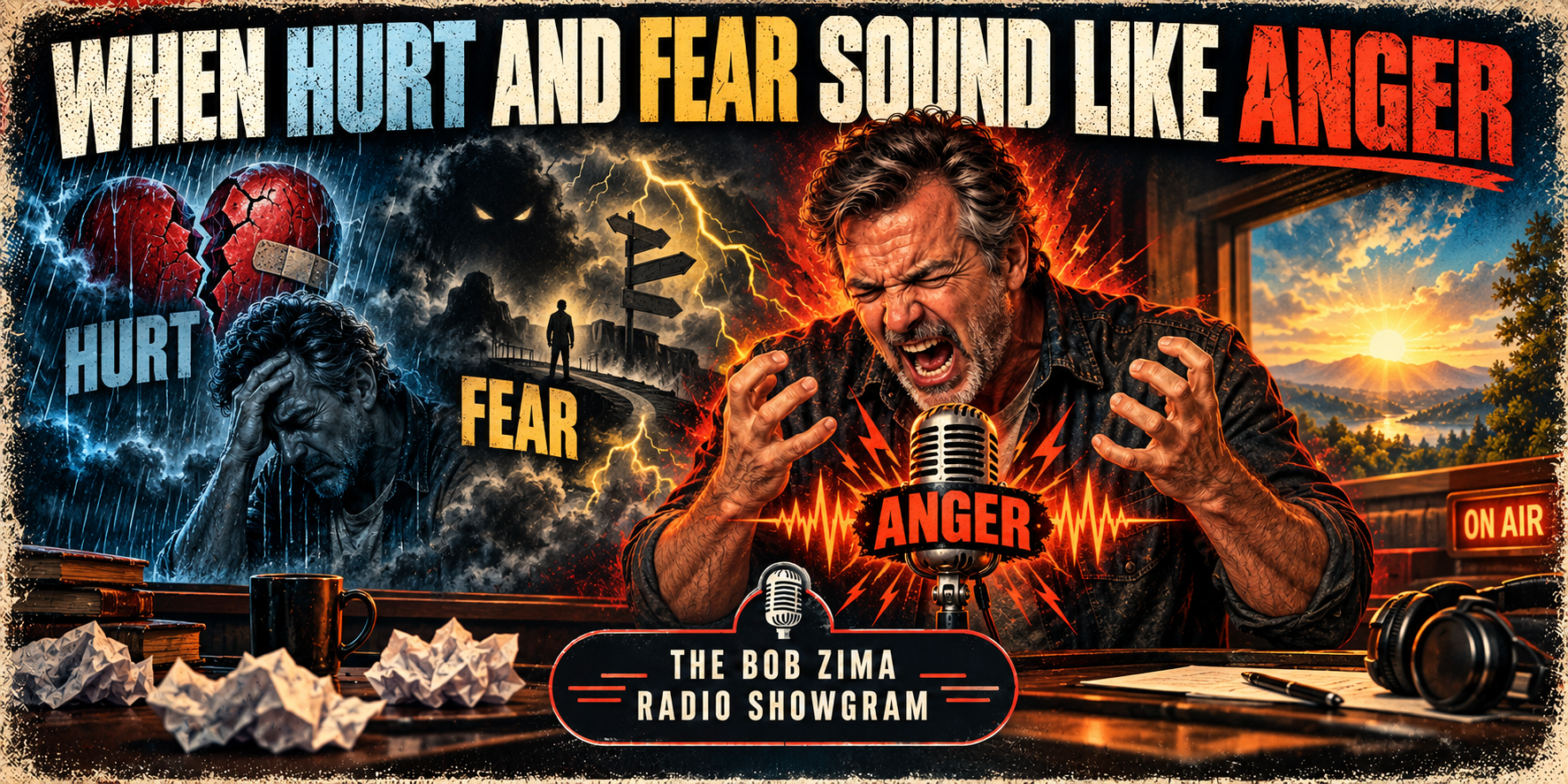
We may feel hurt and/or fear. At the same time, our bodies may respond with a racing heart, rapid breathing, sweating, muscle tension, dry mouth, an upset stomach, or a surge of adrenaline.
Then we select a behavior.
We might yell, scream, insult, threaten, punch, kick, throw something, shut down, ignore someone, or walk away in a huff, muttering stuff below our breath. These are some of the behaviors we commonly describe as “anger.”
That is how an anger response develops:
Something happens.
We interpret what it means.
A belief is triggered.
We respond emotionally and physically.
We select a behavior intended to express what we are experiencing or change what is happening.
Why Does It Happen So Quickly?
When similar situations occur repeatedly—especially over a long period—the path connecting the trigger, belief, emotional response, physical reaction, and anger behavior becomes shorter.
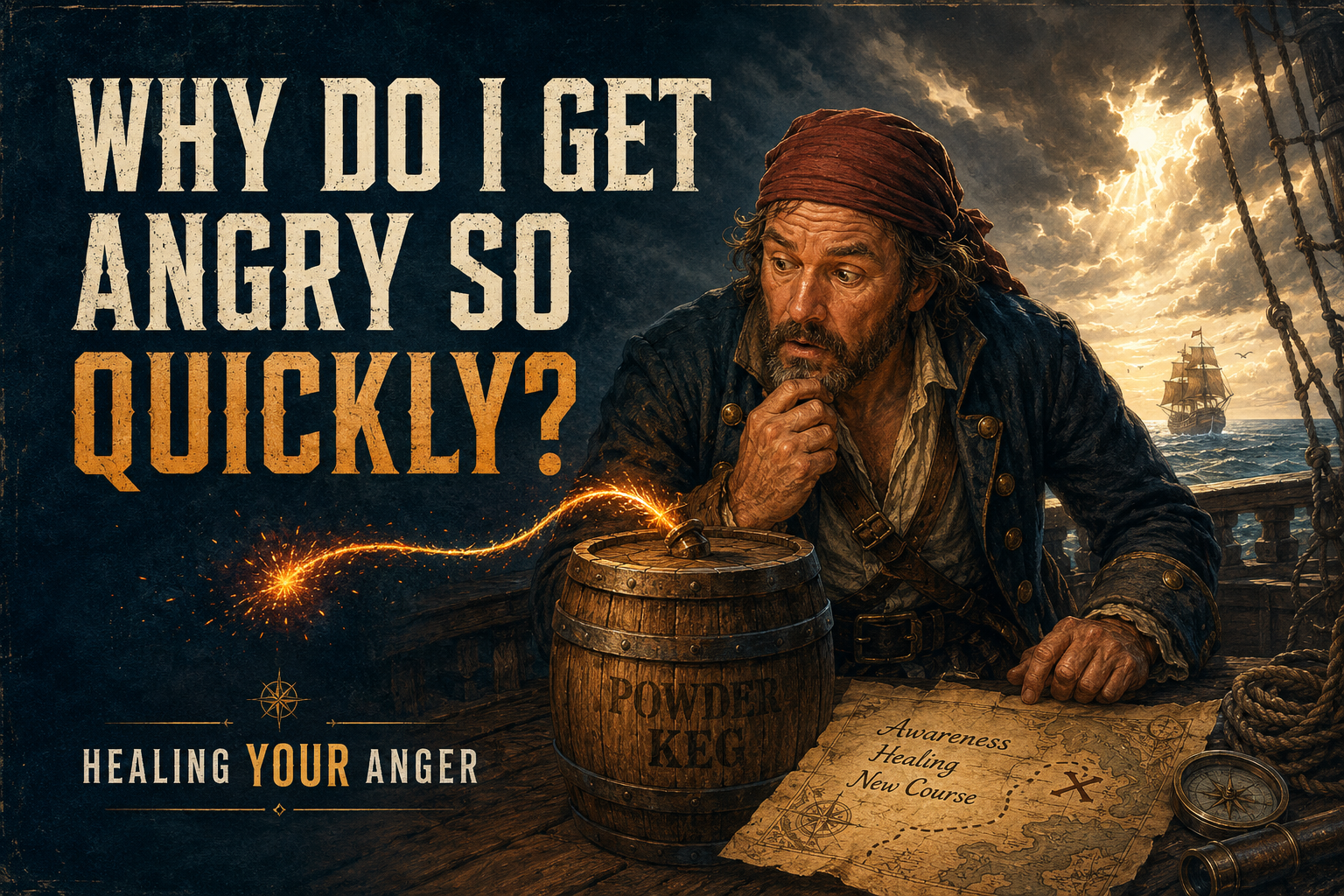
It is like having a short wick attached to a lot of dynamite.
Each time the same core belief is triggered, the reaction becomes more familiar and automatic. Eventually, the person may appear to explode over something small. However, the explosion is rarely about that one moment alone. It may also carry the emotional weight of every similar experience that came before it.
The current situation lights a wick that has already been cut dangerously short.
Over time, anger can begin to feel less like a choice and more like a reflex. The body prepares for danger, the emotions surge, and the behavior occurs before the person has time to understand what is happening.
That does not mean there is no choice. It means the space between the trigger and the reaction has become extremely small.
Anger Behaviors Work—Until They Don’t
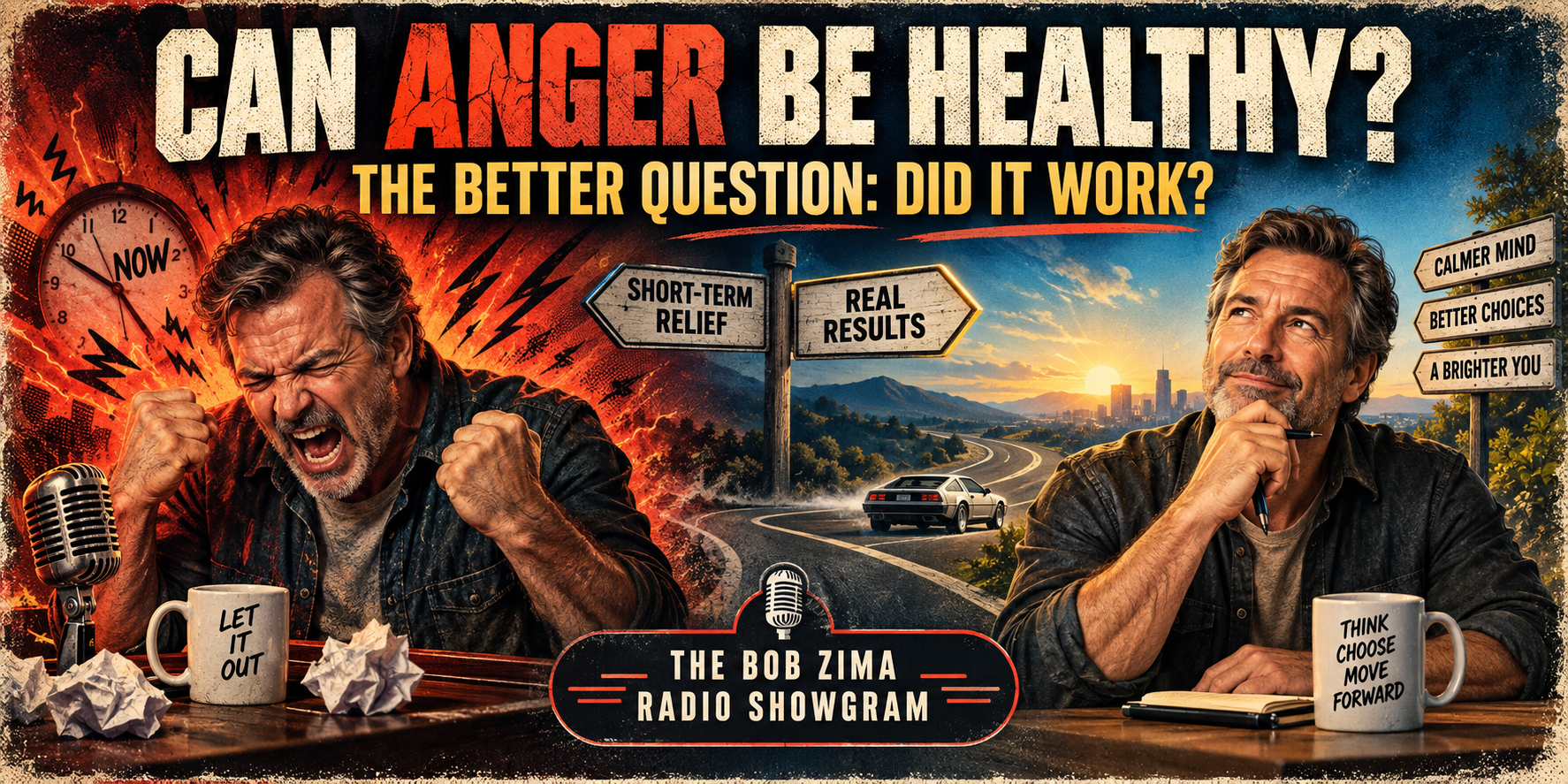
Unhealthy anger behaviors are often effective in the short term.
Yelling may make someone stop talking. Intimidation may make another person give in. Walking away may end an uncomfortable conversation. Shutting down may protect someone from feeling vulnerable.
The behavior produces an immediate result, so the brain learns to use it again.
Unfortunately, what works in the moment may eventually destroy trust, intimacy, relationships, careers, hopes, and dreams. The behavior may help us get what we want right now while taking us farther away from the life we truly want.
Your Anger Is Sending You a Signal
Becoming angry very quickly can be a huge sign—a flashing warning light or even a gigantic billboard—telling you that something needs attention.
What belief is being triggered?
What are you telling yourself about the situation?
Does the present moment remind you of something painful from your past?
Are you feeling rejected, disrespected, powerless, abandoned, embarrassed, hurt, or afraid?
Is the belief driving your reaction accurate, or is it an old conclusion that no longer serves you?
Getting angry quickly does not necessarily mean you are broken or simply have a “bad temper.” It may mean that you have been repeatedly triggered, that your nervous system has become highly practiced at detecting danger, and/or that something within you remains unhealed.
The good news is that the wick can be lengthened.
You can learn to recognize your triggers, question the beliefs fueling your reactions, calm your emotional and physical responses, and choose healthier, more effective behaviors.
You can create more space between what happens and what you do next.
You can heal.
The choice—and the opportunity—is yours.